
Structured Perimeters That Define Properties
Metal Fencing in Baton Rouge for properties where architectural style requires structured boundaries with lasting strength
A metal fence functions differently than wood privacy panels or decorative aluminum—it establishes a permanent boundary with visible strength, architectural presence, and resistance to impact or forced entry. Homeowners contact Fencing USA for metal fencing when they want security without solid barriers, when architectural style calls for vertical lines and geometric patterns, or when property layout requires durable enclosures around pool equipment, courtyards, or side yards exposed to weather. Metal construction handles Louisiana's humidity, temperature swings, and storm debris impact better than materials that warp, rot, or crack under stress common throughout Baton Rouge and surrounding parishes.
Metal fencing involves welding or bolting steel or wrought iron components into panels that attach to posts set in concrete. Design choices include picket spacing, decorative finials, horizontal rail placement, and gate configurations that match surrounding architecture. The installation must account for Louisiana's heat expansion, ground movement in saturated clay soils, and drainage patterns that direct runoff away from post bases where standing water accelerates corrosion even on coated steel.
Request an on-site consultation to review architectural compatibility, security requirements, and material specifications suited to long-term exposure.
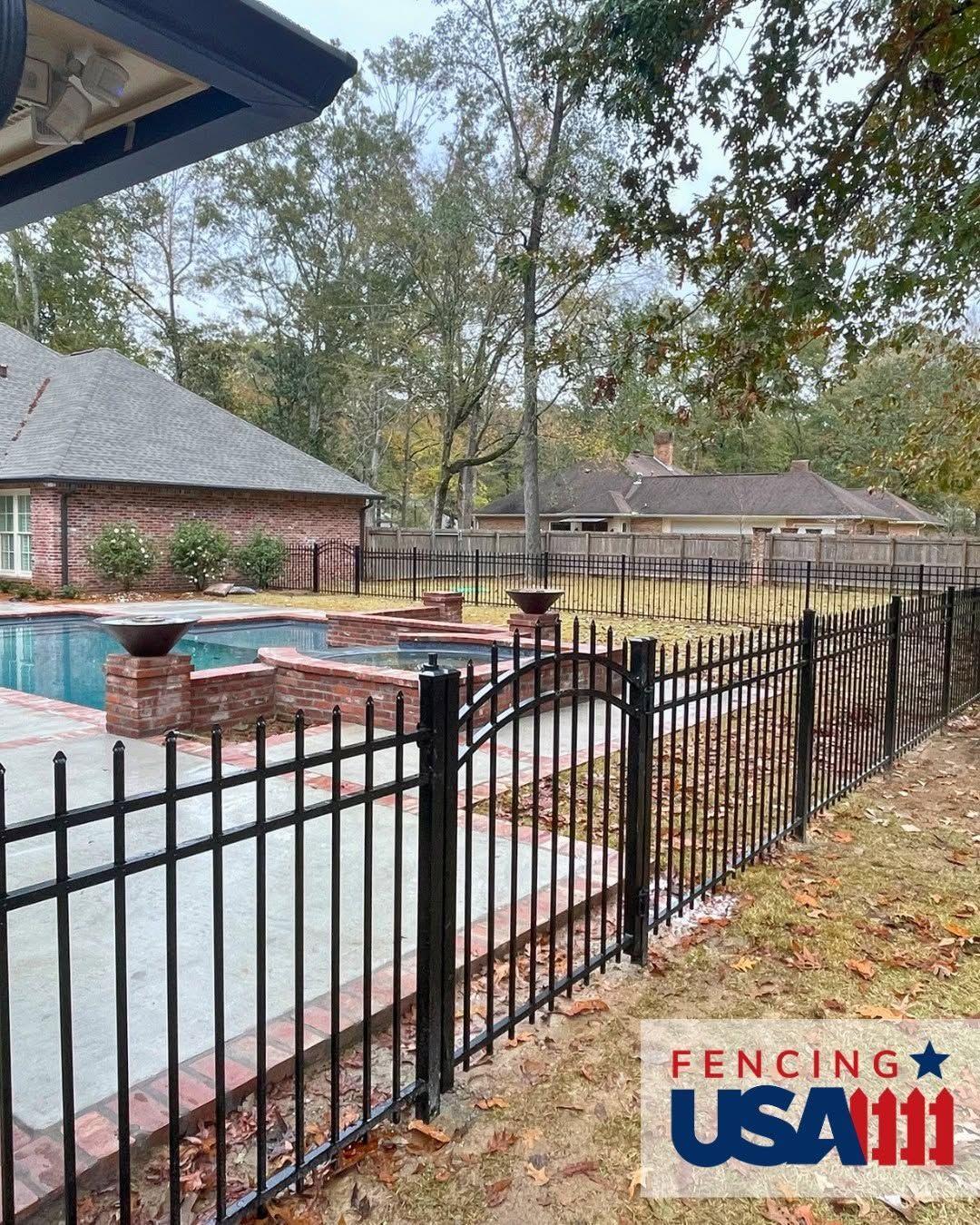

How Metal Fencing Addresses Durability Demands
Metal's strength comes from its resistance to deflection and breakage under load. A properly constructed metal fence won't bow when someone leans against it, won't splinter when struck by lawn equipment, and won't degrade when UV exposure and moisture cycles stress the material year after year. Powder coating or galvanization provides the corrosion barrier, but the underlying steel gauge and weld quality determine whether the fence remains structurally sound or develops weak points at joints and connections.
After installation, you'll see that gates operate without sagging or binding, pickets remain evenly spaced rather than shifting out of alignment, and the fence line stays plumb even when soil shifts during extended wet periods. Metal fencing doesn't change shape seasonally the way wood expands and contracts, so gate clearances remain consistent and latch alignment doesn't require adjustment every few months. The finished installation reads as a permanent property feature rather than a temporary barrier.
Security depends on picket spacing, fence height, and whether the design includes features that prevent climbing or forced entry. Wide spacing between pickets allows visibility and airflow but also allows access for smaller individuals or animals. Decorative elements like finials and scrollwork add visual interest but can also create handholds or footholds that compromise security, so design choices should align with whether appearance or access control takes priority for your specific property needs.
Answers to Frequent Service Questions
Metal fencing planning requires decisions about material specifications, design details, and installation methods that affect both immediate appearance and long-term performance across residential and commercial properties in Baton Rouge's humid, storm-prone climate.
What differentiates steel fencing from wrought iron in terms of performance and cost?
Modern steel fencing replicates traditional wrought iron appearance at lower cost using formed and welded components rather than hand-forged elements, with similar strength and corrosion resistance when powder coating or galvanization is applied correctly.
How does powder coating protect metal surfaces in Louisiana's humid conditions?
Powder coating creates a continuous barrier that prevents moisture contact with underlying steel, but any chips or scratches that expose bare metal become corrosion initiation points, especially in climates where humidity rarely drops below sixty percent.
When should post depth exceed standard residential installation specifications?
Posts in Baton Rouge area clay soils benefit from depths of thirty inches or more with concrete footings extending below the active expansion zone, particularly for taller fences or gates subjected to frequent use and lateral stress.
What gate hardware withstands daily operation in outdoor installations?
Heavy-duty hinges rated for gate weight plus fifty percent margin, corrosion-resistant bolts rather than self-tapping screws, and latches with stainless steel springs that won't seize from rust prevent the maintenance calls that follow inadequate hardware selection.
How should fence design align with existing architecture and landscape features?
Metal fencing works best when picket style, spacing, and height complement the property's architectural era and scale—Victorian homes suit ornate designs with close spacing, while modern construction pairs with simpler geometric patterns and wider intervals between vertical elements.
Fencing USA provides metal fencing services across Baton Rouge, Geismar, Gonzales, Sorrento, St. Amant, Baker, Walker, Zachary, and surrounding communities in East Baton Rouge and Ascension parishes. Discuss your project's design requirements, security priorities, and site-specific installation considerations by calling (225) 953-0299 or submitting a request for a detailed project consultation and estimate.
